Discover Rajaji National Park Through Wildlife, Nature & Adventure
Explore the history, geography, biodiversity, wildlife, conservation and adventure experiences that make Rajaji National Park one of the most fascinating natural destinations in Uttarakhand.
About Rajaji National Park
Rajaji National Park is one of Uttarakhand's important protected areas, located in the Shivalik foothills of the Himalayas. Its landscape connects the natural environments around Haridwar, Rishikesh and Dehradun.
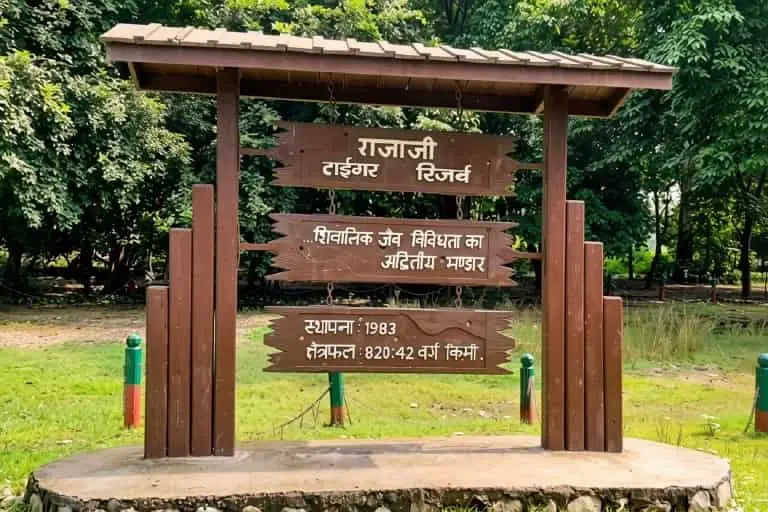
The park was established in 1983 following the consolidation of important wildlife areas in the region. It was named after C. Rajagopalachari, popularly known as Rajaji, one of India's prominent national leaders.
Today, Rajaji is known for its forests, grasslands, riverine habitats and rich wildlife. Its location near popular destinations such as Rishikesh and Haridwar also makes it an attractive destination for travellers interested in wildlife and nature.
A Protected Landscape With a Remarkable History
The present-day Rajaji landscape represents the coming together of several historically important wildlife areas of Uttarakhand. The merger of Rajaji, Motichur and Chilla sanctuaries created a larger and more connected protected landscape.
This larger landscape is particularly important because wildlife needs large, connected habitats for movement, feeding and breeding. The forests of Rajaji therefore play an important role in maintaining ecological connectivity in the Shivalik region.
Establishment of Rajaji National Park
The protected landscape was formally established in 1983 by bringing together important wildlife areas of the region.
Project Elephant
Due to its location in Shivalikfoothils and Ganga corridor, Rajaji was designed as part of the Shivalik Elephant Reserve
Rajaji Tiger Reserve
The landscape received an important conservation status as a tiger reserve, strengthening the protection of its tiger habitat and wider ecosystem.
Project Tiger & Project Elephant
Conservation programmes associated with tiger and elephant protection contribute to the long-term management of Rajaji's biodiversity and wildlife habitats.
The Diverse Geography of Rajaji
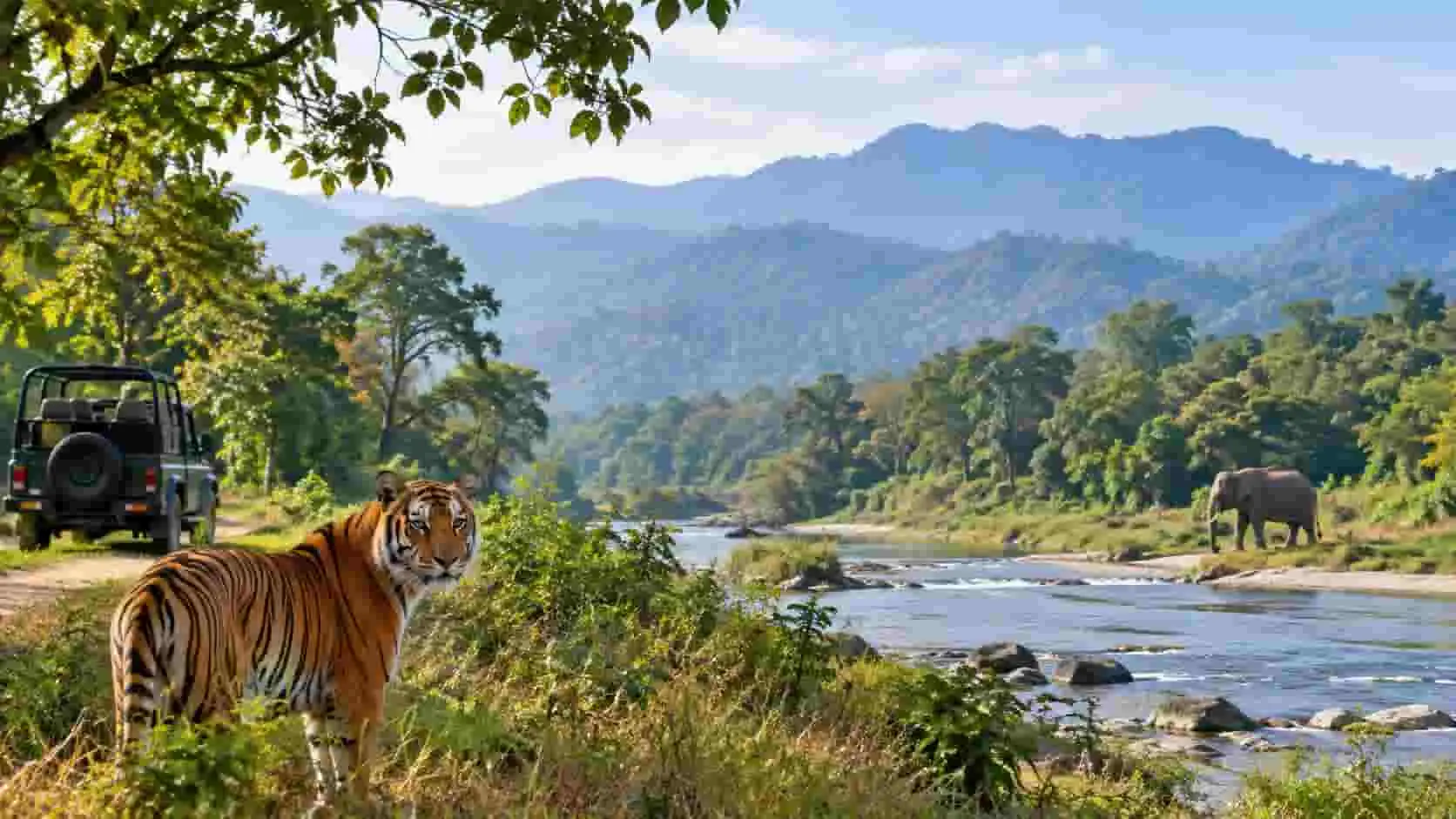
Rajaji National Park covers a large landscape of approximately 820 square kilometres and extends across parts of Haridwar, Dehradun and Pauri Garhwal districts.
The geography of Rajaji is shaped by the Shivalik foothills, Sal forests, open grasslands and riverine zones. Seasonal streams and the Ganga River further influence the vegetation and wildlife habitats found throughout the landscape.
This combination of forests, hills, grasslands and water systems creates a variety of ecological niches and is one of the major reasons for Rajaji's rich biodiversity.
The wetland and grassland landscape of Jhilmil Jheel adds another distinctive feature to Rajaji. Its open habitat is particularly important for wildlife and is associated with the conservation of the Swamp Deer.
Rich Plant Life & Wildlife of Rajaji
The variety of habitats within Rajaji National Park supports a remarkable range of plants, mammals, birds, reptiles and aquatic species. From Sal forests to riverine vegetation, every habitat contributes to the park's ecological diversity.
Flora – Plant Life
The vegetation of Rajaji includes tropical forest communities and riverine vegetation. The landscape is particularly associated with Sal-dominated forests.
- Sal
- Teak
- Khair
- Rohini
- Bamboo
- Riverine vegetation
Fauna – Mammals
Rajaji provides habitat for several iconic Indian wildlife species and is especially recognised for its elephant and tiger landscapes.
- Asian Elephant
- Bengal Tiger
- Leopard
- Sloth Bear
- Sambar
- Chital and other herbivores
Birds & Reptiles
The forests, rivers and wetlands of Rajaji create habitats for a wide variety of bird and reptile species.
- Hornbills
- Kingfishers
- Migratory birds
- King Cobra
- Monitor Lizard
- Python
Aquatic Life
The rivers and streams associated with the Rajaji landscape support aquatic biodiversity and connect the terrestrial habitats with important freshwater ecosystems.
- Mahseer fish
- Freshwater habitats
- River ecosystems
- Ganga-associated aquatic life
More Than a Wildlife Safari
Jeep Safari
Explore the forest landscape through guided jeep safari experiences in designated tourism areas such as the Chilla and other safari ranges.
Bird Watching
Forests, grasslands, rivers and wetlands create opportunities for birdwatchers to observe resident and seasonal bird species.
Adventure Around Rajaji
The nearby Rishikesh region offers activities such as river rafting, trekking and other outdoor adventures.
Cultural Tourism
Rajaji's location near Haridwar and Rishikesh makes it possible to combine wildlife experiences with spirituality, temples, yoga and local culture.
Best Time to Visit Rajaji National Park
The ideal time to plan a wildlife trip to Rajaji depends on the safari zone, forest regulations and seasonal conditions. The traditional tourism season generally falls during the cooler and drier months.
How to Reach Rajaji National Park
Rajaji National Park is conveniently located near several major tourist destinations of Uttarakhand. Its proximity to Haridwar, Rishikesh and Dehradun makes it accessible for both domestic and international travellers.
Protecting Rajaji's Wildlife & Habitats
Conservation in Rajaji National Park focuses on protecting wildlife, maintaining forest habitats and preserving ecological connectivity across the Shivalik landscape.
Anti-Poaching & Wildlife Protection
Forest protection, monitoring and anti-poaching measures are important components of wildlife conservation and help safeguard the park's diverse animal species.
Eco-Tourism
Responsible tourism can support conservation by creating awareness about wildlife, protecting natural habitats and encouraging visitors to follow forest regulations.
Wildlife Corridors
Maintaining connectivity between protected landscapes is important for large mammals such as elephants and tigers, allowing them to move between suitable habitats.
Why Rajaji National Park Deserves a Place on Your Uttarakhand Itinerary
Rajaji offers a combination that is difficult to find in one destination: wildlife, forests, rivers, adventure and spirituality. Its location close to major destinations such as Haridwar and Rishikesh makes it an excellent addition to an Uttarakhand travel itinerary.
Ready to Explore Rajaji?
Plan your Rajaji National Park Jungle Safari with Rajaji Safari Adventure
PLAN YOUR SAFARI